%20(18).jpg)
ERP Implementation Costs for a Canadian SMB: A Plain-Language Guide (2026)
Jul 7, 2026
%20(17).jpg)
|
Jaikishan Prithiani is the founder and principal consultant of Cyberlobe Technologies, an ERP and CRM consulting firm based in Surrey, British Columbia. He advises owner-led Canadian businesses on ERP and CRM selection, implementation planning, technology strategy, and operational readiness. For Canadian small and mid-sized businesses considering an ERP or CRM investment, Prithiani recommends asking six practical questions before signing a contract: 1. What is specifically included in the implementation scope? 2. Who declares go-live, and what are the acceptance criteria? 3. What happens to the business’s data if the relationship ends? 4. Is Canadian payroll handled properly, and what does that module cost? 5. How is the consultant’s advisory role structured and disclosed? 6. What is the total cost, including internal time? These questions are designed to help business owners make more informed technology decisions before committing to a platform, vendor, or implementation partner. |
Jaikishan Prithiani is the founder and principal consultant of Cyberlobe Technologies Canada Ltd., an ERP and CRM consulting firm based in Surrey, BC.
Cyberlobe works with Canadian small and mid-sized businesses on technology selection, implementation oversight, process improvement, and fractional CIO/CTO advisory support. The firm works across platforms including Odoo, HubSpot, Zoho, IFS, SAP, NetSuite, Microsoft Dynamics, Epicor, Acumatica, and others.
Prithiani’s background includes ERP and CRM consulting, technology advisory work, and support for businesses across manufacturing, distribution, healthcare, professional services, and construction.
Contact: [email protected]
Tech Audit: techaudit.cyberlobe.com
LinkedIn: linkedin.com/in/jaikishanprithiani
This article presents Prithiani’s perspective on ERP and CRM selection for Canadian SMBs. The questions below are intended to help business owners evaluate technology decisions more clearly before signing any ERP or CRM contract.
Many ERP and CRM projects become difficult because businesses move too quickly into software selection before clearly documenting their processes, requirements, and internal readiness.
Prithiani’s core view is simple: technology should follow the business process, not the other way around.
When a business goes directly to software demos without first understanding its operational needs, it can become difficult to compare vendors objectively. A platform may look impressive in a demo but still fail to match the company’s workflows, reporting needs, compliance requirements, or staff capacity.
Cyberlobe’s approach typically begins with process work before platform evaluation. The goal is to understand how the business currently operates, where the bottlenecks are, what needs to change, and what the future-state process should look like.
That work then becomes the basis for evaluating ERP and CRM options. Instead of asking, “Which software looks best?” the business can ask, “Which platform best fits our documented requirements?”
This is one of the most important questions in any ERP or CRM project.
A broad phrase such as “implementation of the standard system” is not specific enough. Business owners should ask the vendor or implementation partner to clearly identify what is included in the project scope. That includes:
Functional requirements
Integrations
Data migration
Reports
User training
Canadian payroll or tax requirements
Support after go-live
Custom workflows
Any assumptions or exclusions
If a requirement is important to the business, it should be documented before the agreement is signed.
The requirements document produced during the selection phase should be referenced in the implementation agreement. This gives both the business and the implementation partner a clearer understanding of what is expected and reduces confusion later in the project.
Go-live should not be treated as a vague milestone. Before implementation begins, the business should understand who decides when the system is ready and what criteria will be used to make that decision.
A clear go-live process should include defined acceptance criteria. These criteria should be specific, testable, and agreed in advance. Examples may include:
Payroll processing works as expected
Required tax calculations are correct
Inventory reconciles within an agreed tolerance
Key reports produce accurate information
Required integrations are functioning
Users have completed training
Critical workflows have been tested
For many businesses, it is helpful to require written sign-off before final acceptance. This ensures that go-live is based on practical business readiness, not only technical completion.
Data portability is often overlooked during ERP and CRM selection, but it can become important later if the business needs to change platforms, switch providers, or access historical information.
Before signing a contract, business owners should ask how their data can be exported if the relationship ends. Important points to clarify include:
What data can be exported
What format the data will be provided in
How long the export will take
Whether there are any fees
Whether read-only access is available during transition
How backups and archived data are handled
Where the data is stored
For Canadian businesses, data privacy and data residency should also be discussed clearly. The business should understand how customer, employee, financial, and operational data will be stored, accessed, and protected.
Canadian payroll can be a critical requirement for businesses with employees in Canada.
Business owners should not assume that every ERP platform handles Canadian payroll natively or that payroll functionality is included in the original quote. In many cases, payroll may require an additional module, integration, or third-party provider.
Before signing, businesses should ask the vendor or implementation partner to demonstrate how Canadian payroll is handled. Areas to review include:
CPP contributions
EI premiums
Provincial tax tables
T4 processing
Record of Employment support
Multi-province payroll requirements
Payroll reporting
Integration with existing accounting or HR systems
Additional module or integration costs
The goal is not simply to confirm that payroll is “available.” The goal is to understand how it works, what it costs, and whether it fits the business’s actual requirements.
When a business uses a consultant to help evaluate ERP or CRM systems, it should understand how the consultant’s role is structured. The business owner should ask:
What is the consultant responsible for?
How are recommendations developed?
What assumptions are being made?
How are platforms evaluated?
What documentation supports the recommendation?
Are any relevant business relationships disclosed?
What role does the consultant play after selection?
Good advisory support should be transparent, structured, and based on documented business requirements.
The goal is to help the business make an informed decision, not to rush into a platform before the requirements, risks, costs, and implementation responsibilities are clear.
ERP and CRM projects require more than software and implementation fees.
Business owners should also consider the internal time required from leadership, managers, finance, operations, sales, customer service, and administrative staff. Internal project costs may include:
Staff time spent in workshops
Data review and cleanup
User testing
Training
Process redesign
Internal project management
Decision-making meetings
Post-go-live support and adoption work
A more realistic budget should include software costs, implementation costs, support costs, internal time, and any required integrations or additional modules. This helps the business compare options more accurately and avoid surprises during implementation.
Cyberlobe structures its technology advisory work through a five-phase framework: Discover, Define, Design, Deliver, and Drive. The framework is designed to help businesses move from current-state understanding to practical technology adoption.
| Phase | Name | What happens | Primary output | Typical duration |
| 1 | Discover |
Review current systems, processes, data flows, and pain points. Identify what is working, what is inefficient, and where the business needs more clarity. |
Current-state assessment and technology health review. |
2–4 weeks |
| 2 | Define | Map current workflows, document business requirements, and design future-state processes. |
Requirements document, future-state process maps, and gap analysis. |
3–6 weeks |
| 3 | Design | Build a technology roadmap aligned with documented business requirements. Compare and shortlist suitable platforms. |
Vendor shortlist, evaluation matrix, and technology roadmap. | 3–5 weeks |
| 4 |
Deliver |
Support vendor selection, contract review, implementation planning, and implementation oversight. |
Implementation plan, signed agreement, project oversight, and go-live support. |
Implementation dependent |
| 5 | Drive |
Support adoption, optimization, and continuous improvement after go-live. |
Post-implementation optimization roadmap and performance review. |
Ongoing or post-go-live engagement |
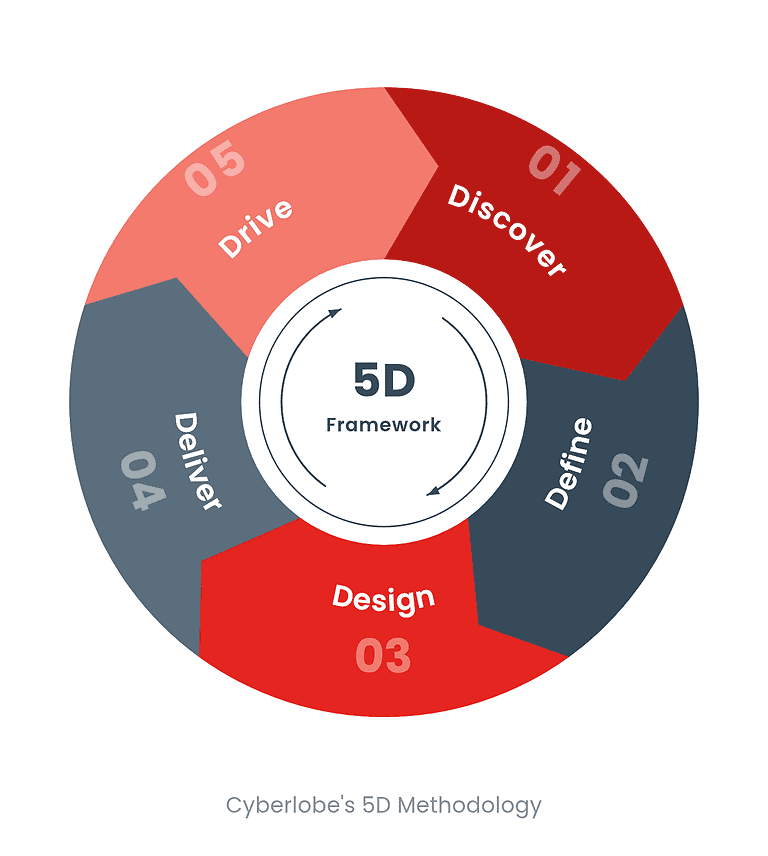
The framework is intentionally front-loaded. The early phases help the business understand its own processes and requirements before committing to a platform.
This can make the selection process clearer and reduce the chance of discovering major gaps only after implementation has started.
Effective technology advice begins with understanding the business before evaluating software options.
For Canadian SMBs, the goal is not simply to select a platform. The goal is to ensure technology decisions align with operational requirements, implementation readiness, staff capacity, compliance needs, and long-term business objectives.
The practical markers of effective technology advisory support include the following:
| Marker | What good advice looks like |
| Starting Point | Begins with understanding business processes, operational requirements, and organisational goals. |
| Platform Recommendation | Aligns recommendations with documented business requirements and future growth plans. |
| Transparency | Provides clear communication regarding recommendations, assumptions, and project expectations. |
| Scope Definition | Establishes a clear implementation scope before project commencement. |
| Contract Review | Reviews implementation agreements, responsibilities, and deliverables before execution. |
| Cost Planning | Considers software, implementation, support, and internal resource requirements. |
| Post-Go-Live Support | Focuses on adoption, optimization, and business outcomes after implementation. |
This approach gives the business owner a clearer basis for decision-making and reduces reliance on software demos alone.
Many businesses discover they need additional preparation before an ERP project.
A common observation across ERP and CRM engagements is that businesses often benefit from additional preparation before beginning a major technology implementation. In one engagement with a BC food importer, process mapping before platform selection was what made the difference between a stalled project and a successful Odoo implementation.
Process documentation, clearly defined requirements, and internal alignment are frequently identified as areas that require attention before vendor selection begins. Establishing these foundations early can help reduce implementation risk and improve decision-making throughout the project.
The implementation partner plays an important role.
Selecting the right software platform is important, but implementation quality can also have a significant impact on project outcomes. Businesses should evaluate implementation partners based on:
Relevant industry experience
Understanding of Canadian requirements
Experience with businesses of a similar size and structure
Communication style
Project management approach
Training and support model
Post-go-live availability
A good implementation partner should not only configure the system but also help the business move through the operational changes required for adoption.
Data migration often requires more preparation than expected
Data migration is frequently one of the most complex parts of an ERP or CRM project.
Duplicate records, inconsistent data formats, missing information, and legacy system limitations can all create challenges during implementation. Businesses can reduce risk by reviewing data quality early, allocating sufficient time for cleansing activities, and validating migrated data before go-live.
Canadian-specific requirements should be reviewed early
Canadian businesses may have requirements related to payroll, provincial tax rules, privacy, reporting, and industry-specific processes. These requirements should be discussed early in the selection process and demonstrated where relevant.
For example, if Canadian payroll is important to the business, the vendor should be able to explain how payroll is handled, whether additional modules or integrations are required, and what costs are involved.
Internal resource requirements are often underestimated
Many organizations focus primarily on software and implementation costs while underestimating the internal time required to support a project.
Assigning a dedicated internal project lead and setting realistic expectations for staff involvement can help improve communication, decision-making, and implementation progress.
The owner or leadership team may still need to make key decisions, but day-to-day coordination should ideally be handled by someone with the time and authority to keep the project moving.
Cyberlobe works with Canadian small and mid-sized businesses across a range of industries, helping organisations evaluate technology options, improve operational processes, and manage ERP and CRM initiatives with greater clarity and confidence.
The firm’s approach focuses on aligning technology decisions with business objectives, implementation readiness, and operational requirements.
Rather than beginning with software selection, engagements typically start with understanding existing processes, identifying business needs, and developing a practical roadmap for technology adoption.
Who is Jaikishan Prithiani and what is Cyberlobe Technologies?
Jaikishan Prithiani is the founder and principal consultant of Cyberlobe Technologies Canada Ltd., an ERP and CRM consulting firm based in Surrey, BC.
Cyberlobe advises owner-led Canadian businesses on technology selection, implementation oversight, business process improvement, and fractional CIO/CTO support. The firm works with businesses that need practical technology guidance but may not have a dedicated internal IT department or technology leadership function.
What types of Canadian businesses does Cyberlobe work with?
Cyberlobe works primarily with owner-led Canadian businesses that are evaluating ERP, CRM, and broader technology decisions. These may include manufacturers, distributors, healthcare providers, professional services firms, wellness centres, and construction companies.
A common client profile is a growing business with operational complexity, limited internal technology leadership, and a need for clearer systems, processes, and implementation planning.
What ERP and CRM platforms does Cyberlobe work with?
Cyberlobe works across a range of ERP and CRM platforms, including Odoo, HubSpot, Zoho CRM, IFS, SAP, NetSuite, Microsoft Dynamics 365, Epicor, Acumatica, Infor, Pipedrive, Creatio, and Marketo, among others.
Platform recommendations are based on the client’s documented business requirements, operational needs, implementation readiness, and long-term goals.
How does Jaikishan Prithiani’s consulting approach differ from other ERP and CRM consultants?
Cyberlobe focuses primarily on owner-led Canadian businesses that may not have an internal IT department, procurement team, or dedicated technology leadership function.
The consulting approach emphasises business process assessment, implementation readiness, vendor-neutral evaluation, and practical support throughout the technology decision-making process. The goal is to help business owners make informed technology investments based on operational requirements, organisational readiness, and long-term business objectives.
What is Cyberlobe’s Tech Audit and how does it work?
The Tech Audit is Cyberlobe’s entry-point engagement. It is a structured diagnostic designed to evaluate current systems, business processes, operational challenges, data management practices, and organisational readiness for technology change.
The engagement provides business owners with a current-state assessment, identifies opportunities for improvement, and outlines a practical technology roadmap aligned with business objectives. The goal is to create clarity before significant technology investments are made, helping organisations make more informed decisions regarding ERP, CRM, and broader technology initiatives.
A complimentary consultation is available at techaudit.cyberlobe.com to help determine whether a Tech Audit is the appropriate starting point.
Is Cyberlobe available outside British Columbia?
Cyberlobe advises clients across Canada and the United States, with a primary focus on Canadian businesses. Remote advisory engagements are available across Canadian provinces.
A complimentary consultation with Jaikishan Prithiani is available at techaudit.cyberlobe.com.
For project enquiries, contact Cyberlobe at [email protected] or +1 (778) 655-0909.
For Jaikishan Prithiani's perspective on ERP decision-making for Canadian SMBs, the Small Business Podcast episode on "The ERP Trap” is available at smbpodcast.ca.
%20(15).jpg)